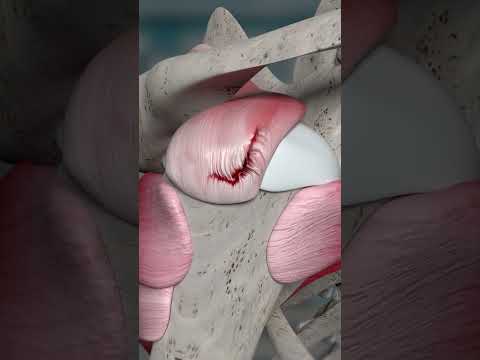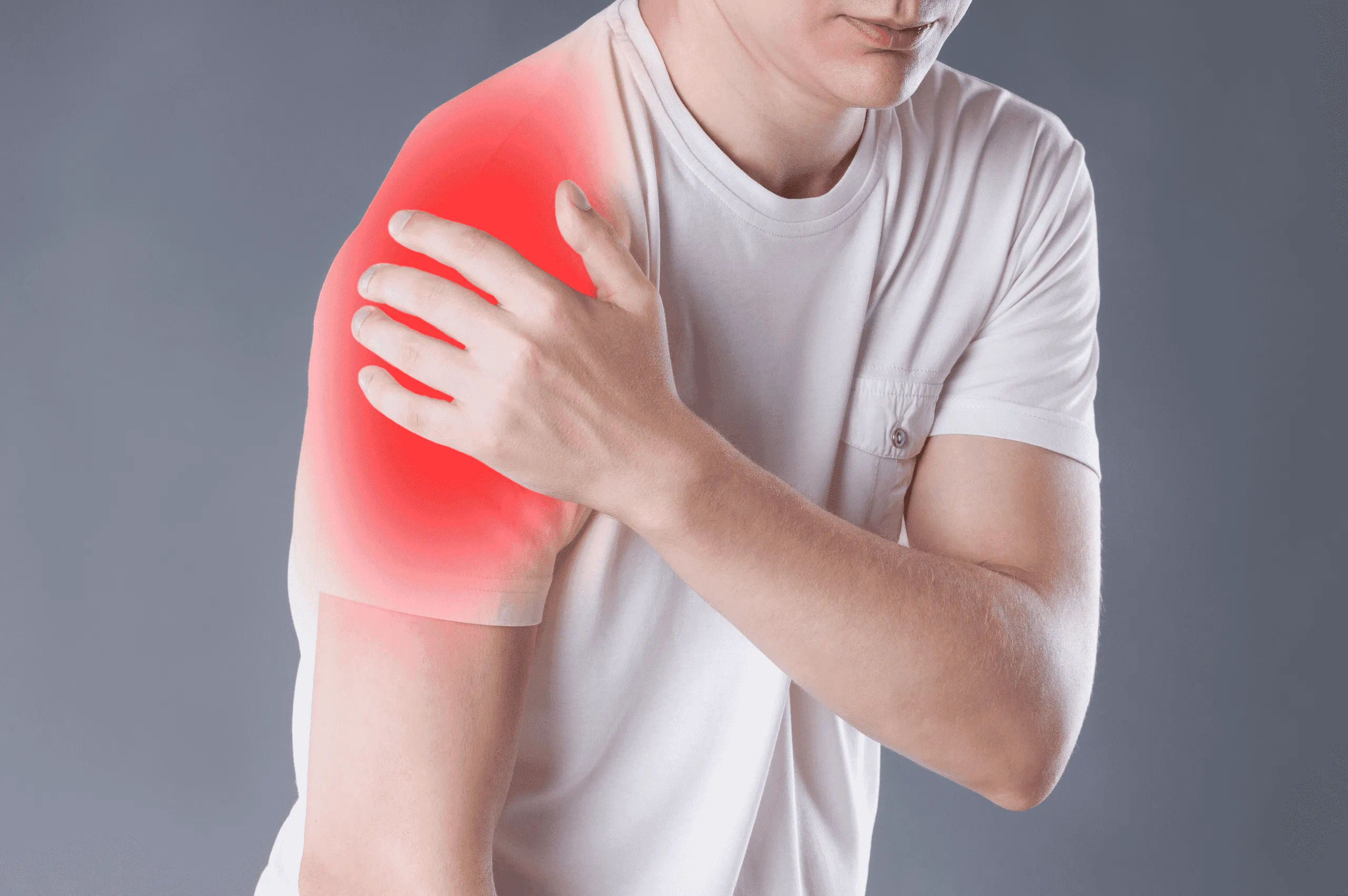
Dr. Daral treats the full range of shoulder problems — rotator cuff tears, shoulder instability and dislocation, frozen shoulder, impingement, and labral tears. His approach starts with an accurate diagnosis through clinical examination and imaging, followed by non-surgical care wherever it's appropriate, with arthroscopic (keyhole) surgery reserved for cases that need it — the goal is a full return to daily activity and sport, not just pain relief.
Not always. Many rotator cuff tears — especially partial or degenerative ones — respond well to physiotherapy and non-surgical care. Surgery is generally recommended when the tear is large, symptoms persist despite conservative treatment, or the tear is significantly affecting shoulder function. Dr. Daral evaluates each case individually before recommending surgery.
It depends on the procedure. After arthroscopic rotator cuff repair, most patients wear a sling for a few weeks, then follow a structured physiotherapy program. Most return to daily activities within 2–3 months, with sport-specific movement typically taking 4–6 months.
Repeated dislocations usually point to underlying instability caused by ligament or labral damage from the first injury. Dr. Daral assesses instability with clinical tests and imaging to decide between a rehabilitation program and stabilization surgery.
Yes — most cases of frozen shoulder improve with physiotherapy, guided stretching, and sometimes injections. Surgery is reserved for cases that don't improve after a full course of conservative treatment.
More shoulder-specific videos coming soon.