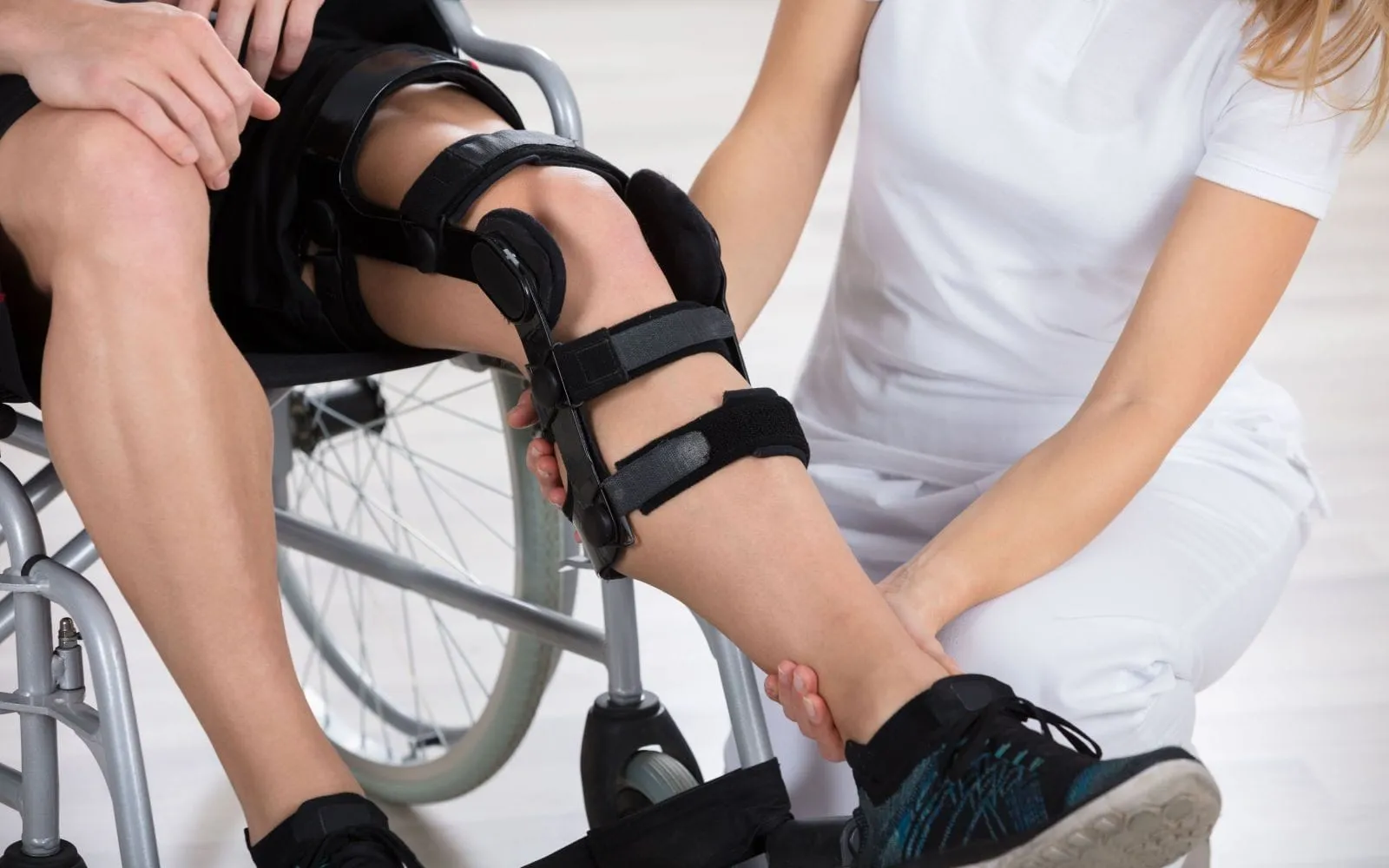
Dr. Daral treats rehabilitation as part of the same evaluation-first approach he applies to surgery — a structured, physiotherapist-guided recovery plan tailored to the injury, whether that's after ACL reconstruction, a rotator cuff repair, a joint replacement, or a conservatively managed sports injury. The goal is a full, safe return to daily activity and sport, not just clearing post-op milestones.
Usually a combination of both. In-person sessions matter early on to make sure exercises are being done correctly and safely, especially after surgery, while later-stage exercises can often be continued at home once the technique and progression are set. The exact mix depends on your injury and how your recovery is progressing.
Often much sooner than people expect — many rehab protocols begin within the first day or two after surgery, focused on gentle motion and controlling swelling, well before any strength work begins. The exact starting point and pace depend on the specific procedure, which is why rehab is planned alongside the surgery itself rather than as an afterthought.
Often, yes. Many sports and joint injuries are managed non-surgically specifically because structured rehab — physiotherapy, strengthening, activity modification — can resolve them without an operation. I treat rehab as a real treatment path, not just a post-surgery formality.
There's no fixed number — it depends entirely on the injury, whether surgery was involved, and how you respond as you go. Some soft-tissue injuries need only a handful of sessions, while recovery after major surgery like ACL reconstruction is measured in months of staged rehab. Your specific plan and session count are set after assessment and adjusted based on your progress.